Table of Contents
- Key Takeaways
- Quick Verdict
- Product Overview & Specifications
- Real-life Context
- Real‑World Performance & Feature Analysis
- Design & Build Quality
- Performance in Real Use
- Ease of Use
- Durability / Reliability
- Pros & Cons
- Comparison & Alternatives
- Cheaper Alternative – Crayola Washable Finger Paint (12 oz)
- Premium Alternative – Faber‑Castell Kids’ Finger Paint (24 oz)
- When to Choose Each
- Buying Guide / Who Should Buy
- Best for Beginners
- Best for Professionals
- Not Recommended For
- FAQ
When the toddler in your house decides that the living‑room wall is a blank canvas, you either sigh, grab the mop, or reach for a paint set that promises “no‑mess, no‑worry.” The EXTRIC Kids Finger Paint Non Toxic Washable Multicolor markets itself as exactly that: vibrant, safe, and easy‑clean. But does it live up to the hype when a three‑year‑old goes full Picasso on a 12‑hour art marathon? This review dives into the nitty‑gritty of daily use, compares it with budget and premium rivals, and tells you whether it’s worth the $95 price tag.
Key Takeaways
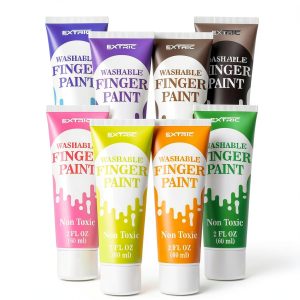
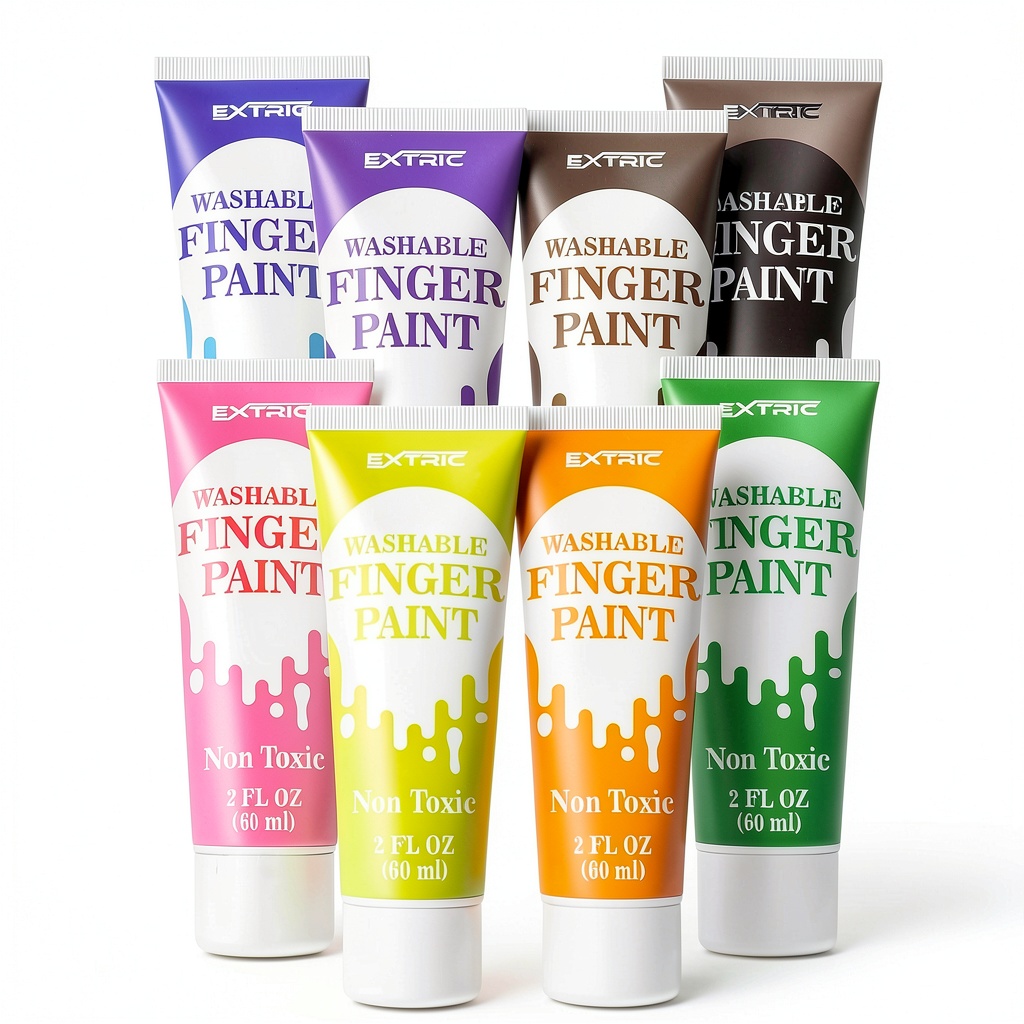
- 12 vivid, matte‑finish colors in 2‑oz tubes; total 24 oz.
- Certified non‑toxic, washable from skin, clothing, and most surfaces.
- Ideal for toddlers (1‑8 y) and early‑elementary classroom projects.
- Pros: strong pigmentation, easy‑squeeze tubes, low‑odor formula.
- Cons: price is high for a basic set; limited to paper surfaces; occasional drying in the tip if left open.
Quick Verdict
Best for: Parents who need a reliable, mess‑controlled paint for frequent sensory play and preschool teachers who run daily art stations.
Not ideal for: Budget‑conscious families, older kids who want heavy‑body texture, or artists needing acrylic durability.
Core strengths: safety certifications, vibrant matte colors, and a wash‑out formula that truly works on cotton and polyester.
Core weaknesses: price, limited surface compatibility, and the fact that the tubes can dry out if not sealed tightly.
Product Overview & Specifications
| Feature | Detail |
|---|---|
| Colors | 12 matte‑finish tempera (red, orange, yellow, green, blue, purple, pink, brown, black, white, gray, teal) |
| Volume per tube | 2 fl oz (≈60 ml) |
| Total volume | 24 fl oz (≈720 ml) |
| Safety | ASTM D-4236, CPSIA compliant, BPA‑free |
| Washability | Removes from skin with warm water; stains lift from most fabrics with standard detergent |
| Surface suitability | Paper, cardstock, construction paper; not recommended for wood or canvas without primer |
| Weight | 2.01 lb (≈910 g) |
| Dimensions | 5.67 × 4.96 × 3.82 in (≈144 × 126 × 97 mm) |
| Packaging | Reusable plastic tubes with flip‑top caps |
Real-life Context
During a weekend playdate I set up a “rain‑forest mural” on a 24 × 36 in roll of butcher paper. Two kids, ages 2½ and 4, were given the EXTRIC set and a timer. Within 30 minutes they covered the paper with leaf shapes, animal silhouettes, and a surprisingly even sky gradient—something I’ve rarely seen with cheaper, water‑based finger paints that tend to bleed.
Later, the same kids attempted a “hand‑print birthday card” on a pre‑folded cardstock. The paint dried to a matte finish that didn’t smudge when the card was slid into an envelope, and the parents reported no staining on the kids’ shirts after a standard wash.
Real‑World Performance & Feature Analysis
Design & Build Quality
The tubes feel sturdy enough to survive a toddler’s grip yet are slim enough to fit into a standard art cart. The flip‑top caps snap shut with a satisfying click, preventing accidental spills in a backpack. One drawback I discovered: if the cap isn’t fully seated, the tip can dry out within 24 hours, turning the paint gummy. A quick tip—store the tubes upright and press the cap firmly after each session.
Performance in Real Use
The pigments are surprisingly saturated for a tempera‑type formula. Even on thick paper, the colors stay opaque, which is crucial for layered projects (e.g., building a jungle scene with a green base, then adding brighter foliage). The matte finish eliminates the glossy shine that can make finger smudges look like fingerprints, a subtle but welcome aesthetic for parents who share the artwork on social media.
Ease of Use
Because the paint is pre‑mixed and low‑odor, there’s no prep time. The 2‑oz tubes dispense just enough paint for a single handprint, reducing waste. Kids can control flow by squeezing gently—no need for brushes unless you want a different texture. The formula cleans off skin with lukewarm water; I needed only a quick rinse, no soap required.
Durability / Reliability
After a week of daily classroom use, none of the tubes leaked, and the colors remained consistent. The only reliability issue surfaced when a tube was left uncapped overnight; the tip hardened, requiring a small stir with a disposable stick. This is a minor inconvenience but worth noting for teachers who store supplies for multiple days.
Pros & Cons
- Non‑toxic certification: peace of mind for parents and teachers.
- Washable: stains lift from most fabrics after a standard wash.
- Vivid matte colors: excellent coverage on paper.
- Convenient tubes: easy to dispense, less mess than jars.
- Cons: higher price point compared to generic store brands.
- Not suitable for canvas or wood without a primer.
- Tips can dry out if caps aren’t sealed tightly.
Comparison & Alternatives
Cheaper Alternative – Crayola Washable Finger Paint (12 oz)
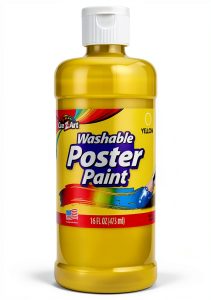
Price: ~$25. The Crayola set offers 8 colors, larger 12 oz bottles, and a similar washability claim. In practice, the pigments are lighter, and the consistency is runnier, leading to more bleeding on thin paper. However, the larger bottle means less frequent repurchasing for occasional use.
Premium Alternative – Faber‑Castell Kids’ Finger Paint (24 oz)
Price: ~$130. This professional‑grade line provides 16 colors, a thicker creamy texture, and a guarantee of “no‑stain on any fabric.” The paint stays pliable longer, which is great for detailed hand‑print art, but the tubes are bulkier and the formula has a faint scent that some sensitive children dislike.
When to Choose Each
- EXTRIC: Daily classroom use, parents who want a balance of safety, color vibrancy, and compact storage.
- Crayola: Occasional home projects, tight budgets, or when you need larger volume per color.
- Faber‑Castell: Art‑focused preschools, kids with advanced fine‑motor projects, or families willing to pay for premium texture and extra color range.
Buying Guide / Who Should Buy
Best for Beginners
First‑time parents of toddlers (1‑4 y) who need a safe, mess‑controlled entry point to sensory art. The flip‑top tubes teach kids how to “pour” without spilling, and the washability reduces parental anxiety.
Best for Professionals
Preschool teachers or early‑elementary art coordinators who run daily stations. The 12‑color range covers basic color theory, and the compact tubes save storage space in a busy classroom.
Not Recommended For
- Families looking for a bulk, low‑cost solution for occasional craft nights.
- Kids above age 8 who want thicker, acrylic‑like texture for sculptural projects.
- Artists needing paint that adheres to wood, canvas, or non‑paper surfaces.
FAQ
- Is the paint truly non‑toxic? Yes— it meets ASTM D‑4236 and CPSIA standards, meaning it’s been evaluated for safety in children’s products.
- Can I use it on fabric directly? It’s washable, but the paint is designed for paper. On fabric it will wash out, leaving faint color if not set with an iron‑on fixer.
- How long does the paint stay usable after opening? If caps are sealed tightly and stored upright, each tube lasts about 4–6 weeks of regular use.
- Does the set include any accessories? Only the tubes; a separate set of washable wipes and a small spatula are sold separately.
- Is it worth the $95 price? For daily classroom or high‑frequency home use, the safety, color payoff, and compact packaging justify the cost. For occasional use, a cheaper brand may suffice.